Sterblichkeit40%
Die Experten sagen eine neue Wirtschaftskrise voraus
Millionen von Menschen sind isoliert
Ein Virusträger infiziert 1.4-2.5 von Menschen

Was ist mit der Behandlung?

Fortgeschrittene Labors auf der ganzen Welt arbeiten an einer Drogensuche. Es ist bereits gelungen, das Genom des Virus zu entschlüsseln und einen Impfstoff zu entwickeln, aber es muss noch eine Reihe von Tests bestehen. Wissenschaftler testeten die Auswirkungen bestehender antiviraler Wirkstoffe auf 2019-nCoV. Es wurden 30 Medikamente der traditionellen und alternativen Medizin gefunden, die eine notwendige antivirale Wirkung haben. Unter ihnen befinden sich sowohl selten vorkommende exotische Wirkstoffe als auch beliebte antivirale Medikamente.

Die jüngsten Untersuchungen haben gezeigt, dass Chloroquin (generisches Aralen) den Eintritt von Viren in die Wirtszelle verhindert. Lopinavir / Ritonavir (generisches Kaletra) blockiert die Virusreplikation.


treatmenttreatment

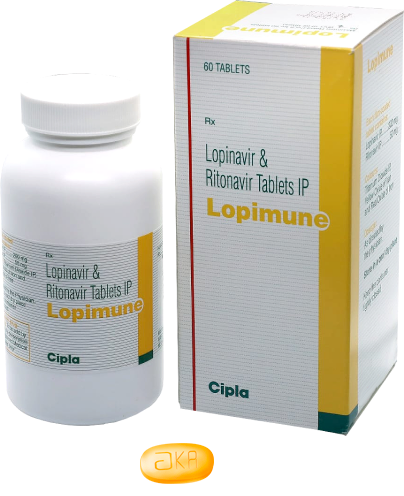
Generisches Kaletra

Marke(n): Lopimune
Hersteller: Cipla Limited
Dosage: 200mg + 50mg
Packung:
€ 0.00 Pro Pille
€ 0.00
Free AirMail shipping
€ 0.00 Pro Pille
€ 0.00
Free AirMail shipping

Kaletra enthält eine Kombination aus Lopinavir und Ritonavir. Lopinavir und Ritonavir sind antivirale Medikamente, die der Vermehrung der Immunodefizienz-Virus-Zellen (HIV) im Körper vorbeugen. Lopinavir und Ritonavir (Kaletra) ist ein Kombi-Medikament zur Behandlung von HIV, welcher das Immundefektsyndrom (AIDS) verursacht, eingesetzt. Dieses Medikament ist kein Heilmittel für HIV oder AIDS.

Two tablets of lopinavir and ritonavir Medication, what is it? Both LOPINAVIR and RITONAVIR are antiviral drugs that stop the HIV cells from dividing in your body. One treatment for HIV, the virus that causes AIDS, is a combination drug called Kaletra, which contains lopinavir and ritonavir. The HIV/AIDS virus cannot be cured with this medication. In addition to the uses described in this medication guide, Kaletra may be used for other purposes. What information is necessary for my doctor to have before prescribing this medication? Lopinavir and ritonavir have the potential to cause serious drug interactions with other medications. It is important to inform all of your healthcare providers about the medications you are currently taking, as well as any new or changed medications. Using some medications with Kaletra might lead to undesirable or even harmful side effects. Do not use alfuzosin, pimozide, rifampin, lovastatin, simvastatin, midazolam, triazolam, sildenafil (Revatio for pulmonary arterial hypertension), St. John's wort, or any ergot medicine; your doctor may need to change your treatment plan because of this. Be sure to inform your doctor about any of the following conditions before starting Kaletra: hepatitis B or C, heart disease, pancreas problems, diabetes, low potassium levels, bleeding disorders like hemophilia, high cholesterol, triglycerides, or a history of using protease inhibitors. This will help ensure that Kaletra is safe for you to use. Whether this medication is harmful to a developing fetus is unknown. Negligible treatment during pregnancy increases the risk of HIV transmission to the unborn child. To manage your HIV infection, take all of your medications as prescribed. Your name may be added to a pregnancy register if you are expecting a child. The goal is to monitor the pregnancy's progress and determine whether Kaletra has any negative impacts on the unborn child. Kaletra can reduce the efficacy of oral contraceptives. To avoid becoming pregnant while taking Kaletra, see your doctor about the use of a non-hormone birth control technique. This may be a diaphragm, spermicide, condom, or other similar device. It is unwise for women living with HIV or AIDS to nurse their infants. The risk of HIV transmission to a newborn through breast milk exists even in cases when the virus is not present at birth. Anyone less than fourteen days old should not use Kaletra. Wait until fourteen days after the baby's actual due date before giving them the medicine if they were born prematurely. Tell me how to use this medication. When administering medication to a kid, it is extremely important to follow all instructions on the prescription label. Never exceed the prescribed dosage or duration of use of this medication. Make sure to inform your doctor if your kid has any changes in weight while taking this medicine. Doses of Kaletra for children are determined by their weight. Keep a Kaletra tablet whole; do not break, crush, or chew it. Give the tablet a full swallow. It is not necessary to eat before or after taking a Kaletra pill. Regular visits to the doctor for blood testing may be necessary while taking Kaletra. Treatment for HIV/AIDS often involves a mix of medications. Take every prescription exactly as prescribed. Each medicine comes with a set of directions for use or a medication guide that you should read carefully. Without your doctor's approval, do not alter the frequency or dosage of your prescription. Those living with HIV or AIDS should always have a doctor at their side. How about potential drug interactions? Kaletra has the potential to interact with a wide variety of medicines. The following list does not include all potential interactions. Notify your doctor of any new or changed medications you are taking, particularly: antiviral medicines to treat hepatitis C or HIV; cancer medicine; medicine to prevent organ transplant rejection; "statin" cholesterol-lowering medicine; an antibiotic--bedaquiline, clarithromycin, metronidazole, rifabutin; antifungal medicine--itraconazole, ketoconazole, voriconazole; heart or blood pressure medicine--amiodarone, felodipine, lidocaine, nicardipine, nifedipine, quinidine; medicine to prevent blood clots--rivaroxaban, warfarin (Coumadin, Jantoven); medicine to treat impotence or pulmonary arterial hypertension--avanafil (Stendra), sildenafil (Viagra, Revatio), tadalafil (Adcirca, Cialis), or vardenafil (Levitra, Staxyn); medicine to treat severe depression or schizophrenia--bupropion (Wellbutrin, Zyban), quetiapine, trazodone; narcotic medicine--fentanyl, methadone; seizure Many more medications may interact with Kaletra; this list is by no means exhaustive. All medications, both OTC and prescribed, as well as nutritional supplements and herbal remedies, fall under this category. If you see more than one doctor, they will need a complete inventory of your medications. While using this medication, what am I to look out for? There is no evidence that this medicine can stop you from transmitting HIV to others. Have intercourse while wearing protection and never share a razor or toothbrush. Discuss safe methods of preventing the spread of HIV during sexual activity with your doctor. No one, no matter how healthy they are, should ever share a needle for a drug or prescription. In what ways may this medication affect my body? Immediate medical assistance is required in the event of an allergic reaction: reaction symptoms include a swollen face, lips, tongue, or throat as well as hives and trouble breathing. Stop taking Kaletra and call your doctor at once if you have: headache with chest pain and severe dizziness, fainting, fast or pounding heartbeats; severe pain in your upper stomach spreading to your back, nausea and vomiting; itching, loss of appetite, dark urine, clay-colored stools, jaundice (yellowing of the skin or eyes); high blood sugar (increased thirst, increased urination); penis erection that is painful or lasts 4 hours or longer (if you take Kaletra with erectile dysfunction medication); muscle weakness, tired feeling, joint or muscle pain, feeling short of breath; or severe skin reaction--fever, sore throat, swelling in your face or tongue, burning in your eyes, skin pain followed by a red or purple skin rash that spreads (especially in the face or upper body) and causes blist Because it alters the function of the immune system, kaletra may raise the risk of certain infections or autoimmune diseases. Kaletra side effects might manifest anywhere from a few weeks to a few months after therapy begins. Notify your doctor if you experience any of the following symptoms: fever, night sweats, swollen glands, mouth sores, diarrhea, stomach pain, weight loss, chest pain (especially when breathing), dry cough, wheezing, difficulty breathing, cold sores, sores on the genital or anal area, rapid heart rate, anxiety, irritability, weakness, prickly feeling, problems with balance or eye movement, trouble speaking or swallowing, severe lower back pain, loss of bladder or bowel control, swelling in the neck or throat (enlarged thyroid), menstrual changes, impotence, or lack of interest in sexual relations. Side effects such as nausea, vomiting, diarrhea, elevated cholesterol, or changes in body fat distribution (particularly in certain areas such as the waist, arms, legs, face, and neck) are common. Just where should I put my medication? The pills should be kept dry and at room temperature. Be sure to seal the pill container after each use.

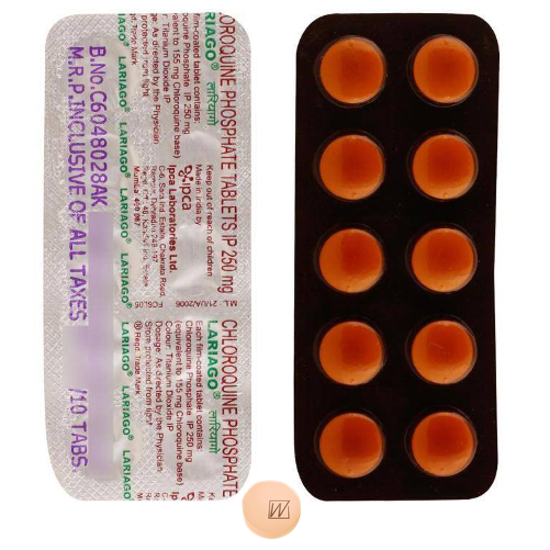
Generisches Aralen

Marke(n): Lariago
Hersteller: Ipca Laboratories
Dosage:
Packung:
€ 0.00 Pro Pille
€ 0.00
Free AirMail shipping
€ 0.00 Pro Pille
€ 0.00
Free AirMail shipping
€ 0.00 Pro Pille
€ 0.00
Free AirMail shipping
€ 0.00 Pro Pille
€ 0.00
Free AirMail shipping
€ 0.00 Pro Pille
€ 0.00
Free AirMail shipping
€ 0.00 Pro Pille
€ 0.00
Free AirMail shipping
€ 0.00 Pro Pille
€ 0.00
Free AirMail shipping
€ 0.00 Pro Pille
€ 0.00
Free AirMail shipping
€ 0.00 Pro Pille
€ 0.00
Free AirMail shipping
€ 0.00 Pro Pille
€ 0.00
Free AirMail shipping
€ 0.00 Pro Pille
€ 0.00
Free AirMail shipping
€ 0.00 Pro Pille
€ 0.00
Free AirMail shipping

Generisches Aralen behandelt und unterdrückt akute Attacken von einigen Malariastämmen und einen bestimmten Typus von Parasit (Extra intestinale Amöbiasis).

Chloroquin Phosphat Tabletten

Was ist dies für ein Medikament?

CHLOROQUIN dient der Behandlung von Malariainfektionen oder zum Schutz vor Malaria, hilft aber auch bei Amöbenbefall.

Was muss mein Arzt bzw. meine Ärztin vor der Behandlung wissen?

Informieren Sie sie über folgende Umstände:
  • Augenerkrankungen oder Probleme mit dem Sehen
  • Glucose 6-Phosphat Dehydrogenas (G6PD) Defizit
  • Probleme beim Hören
  • Leberkrankheit
  • Psoriasis
  • Episoden von Anfällen
  • Eine ungewöhnliche oder allergische Reaktion auf Chloroquin, Hydroxychloroquin, andere Medikamente, Lebensmittel, Farb- und Konservierungsstoffe
  • Schwanger oder versuchen, schwanger zu werden
  • Stillen

Wie nehme ich dieses Medikament?

Schlucken Sie das Medikament zusammen mit etwas Wasser. Angaben auf der Packungsbeilage beachten. Zur Malariaprophylaxe nehmen Sie das Medikament über zwei Wochen vor dem Besuch des verseuchten Gebietes am gleichen Tag und 8 Wochen nach dem Verlassen.Nehmen Sie das Medikament regelmäßig, aber nicht öfter als angegeben. Setzen Sie das Medikament nicht ab, es sei denn Ihr Arzt bzw. Ihre Ärztin weist Sie dazu an. Beraten Sie sich mit einem Kinderarzt/Ärztin falls das Medikament von Kindern eingenommen werden soll. Es können besondere Vorsichtsmaßnahmen nötig sein. Das Medikament kann schon für Kinder ab 2 Jahren verschrieben werden. Überdosierung: Wenn Sie mehr Tabletten eingenommen haben, als Ihr Arzt bzw. Ihre Ärztin verschrieben hat, wenden Sie sich sofort an das nächstgelegene Krankenhaus oder an Ihren Arzt bzw. Ihre Ärztin. ACHTUNG: Dieses Medikament ist ausschließlich für Sie bestimmt. Geben Sie es nicht weiter an Andere.

Was soll ich machen, wenn ich die Einnahme vergesse?

Wenn Sie eine Dosis vergessen haben, holen Sie sie möglichst schnell nach. Ist jedoch der Zeitpunkt der nächsten Einnahme gekommen, lassen Sie die vergessene Dosis aus. Verdoppeln Sie aber keinesfalls die Dosis.

Welche Wechselwirkungen kann es geben?

Nehmen Sie dieses Medikament NICHT zusammen mit den folgenden Medikamenten:
  • Arsenisches Trioxid
  • Chlorpromazin
  • Zisaprid
  • Droperidol
  • Medikamente gegen Depressionen, Angstzustände oder psychotische Störungen
  • Medikamente gegen unregelmäßigen Herzschlag, Rhythmus
  • Methadon
  • Pentamidin
  • Ranolazin
  • Einige Antibiotika wie Erythromyzin, Levofloxazin
Es kann mit folgenden anderen Medikamenten zu Wechselwirkungen kommen:
  • Ampicillin
  • Antazid
  • Zimetidin
  • Zyklosporin
  • Kaolin
Geben Ihrem Arzt bzw. Ihrer Ärztin eine Liste aller Ihrer verschreibungspflichtigen und nicht verschreibungspflichtigen Medikamente, Wirkstoffe, Kräuterprodukte und Nahrungsergänzungsmittel. Geben Sie auch an, ob Sie Rauchen, Alkohol trinken oder Drogen nehmen. All diese Substanzen können die Wirksamkeit des Medikaments verändern bzw. beeinträchtigen. Beraten Sie sich mit Ihrem Arzt bzw. Ärztin bevor Sie irgendeines Ihrer Medikamente absetzen oder wieder einnehmen. Diese Liste enthält nicht alle möglichen Nebenwirkungen.

Was soll ich beachten, wenn ich dieses Medikament nehme?

Gehen Sie zu Ihrem Arzt oder Ihrer Ärztin, wenn Sie Ihre Symptome innerhalb von einigen Tagen nicht bessern oder neue hinzukommen. Nehmen Sie das Medikament für lange Zeit, gehen Sie alle 4 Wochen zu Ihrem Arzt oder Ihrer Ärztin. Entwickeln Sie während der Einnahme ein Fieber oder Veränderungen in der Sehkraft, behandeln Sie es NICHT selbst, sondern suchen Sie sofort ärztlichen Rat. Dieses Medikament kann zu Schwindel und Müdigkeit führen. Üben Sie keine Tätigkeit aus, die besondere Aufmerksamkeit beansprucht wie z.B. Autofahren oder das Bedienen von Maschinen. Vor allem ältere PatientInnen sollten nicht abrupt aufstehen, um das Risiko von Schwindel- oder Ohnmachtsanfällen zu verringern. Während Sie sich in einem Malaria-Gebiet aufhalten, sollten Sie auf jeden Fall vermeiden, von einer Mücke gestochen zu werden. Bewegen Sie sich in gut durchlüfteten, geschützten Räumen mit Klimaanlage, schlafen Sie unter einem Moskitonetz, das zudem mit einem Pyrethrum-haltigen Insektenschutzmittel eingesprüht wurde. Tragen Sie langärmlige Kleidung, um Hände und Beine zu schützen und benutzen Sie DEET-haltige Insektenschutzmittel auf die unbedeckten teil Ihres Körpers. Zum Töten der Moskitos nehmen Sie am besten Pyrethrum-haltiges Insektenspray. Meiden Sie direktes Sonnenlicht, tragen Sie Sonnenschutz und entsprechende Kleidung. Gehen Sie nicht ins Solarium oder benutzen Sie nicht UV-Lampen. Meiden Sie Antazide und Produkte mit Kaolin mindestens 4 Stunden vor und nach der Einnahme des Medikaments.

Mit welchen Nebenwirkungen muss ich rechnen?

Folgende Nebenwirkungen sollten Sie Ihrem Arzt bzw. Ihrer Ärztin umgehend mitteilen:
  • Allergische Reaktionen wie Hautausschlag, Juckreiz, Blasenbildung, Schwellungen von Lippen, Rachen, Zunge oder Mund
  • Veränderungen im Sehen
  • Halluzinationen
  • Hörverlust oder Klingeln in den Ohren
  • Ohnmachtsgefühl oder Benommenheit
  • Fieber oder Infektionen
  • Muskelschwäche
  • Taubheit oder Kribbeln
  • Anfälle
  • Ungewöhnlihce Blutungen oder Blutergüsse
  • Ungewöhnliche Schwäche oder Müdigkeit
Folgende Nebenwirkungen müssen nicht behandelt werden (Kontaktieren Sie Ihren Arzt bzw. Ihre Ärztin falls sie andauern oder als störend empfunden werden):
  • Ausbleichen der Körperhaare
  • Blau-schwarze Farbe der Haut oder Nägel
  • Durchfall
  • Haarausfall
  • Kopfschmerzen
  • Appetitverlust
  • Übelkeit, Erbrechen
  • Magenkrämpfe
Diese Liste enthält nicht alle möglichen Nebenwirkungen.

Wo soll ich meine Medizin aufbewahren?

Ausser Reichweite von Kindern lagern. Bei Kindern können schon kleine Dosen zur Überdosierung führen. Bei einer Raumtemperatur zwischen 15 und 30 Grad Celsius aufbewahren. Werfen Sie unbenutzte Medikamente nach Ablaufdatum weg.


Durch den Aufenthalt auf unserer Website erklären Sie sich mit der Speicherung und Verarbeitung Ihrer persönlichen Daten in Übereinstimmung mit unserer Datenschutzrichtlinie einverstanden.